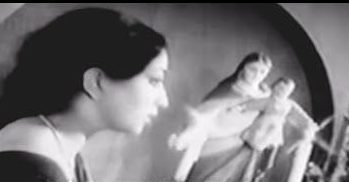
Maadha Un Kovilil Lyrics
From the movie Achchani
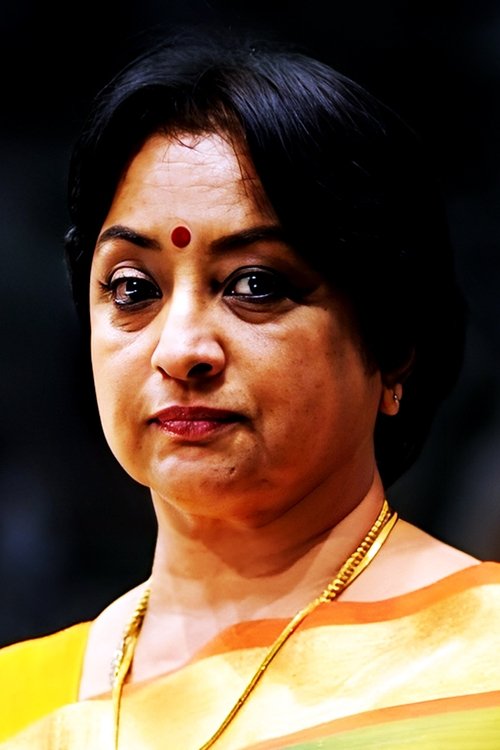
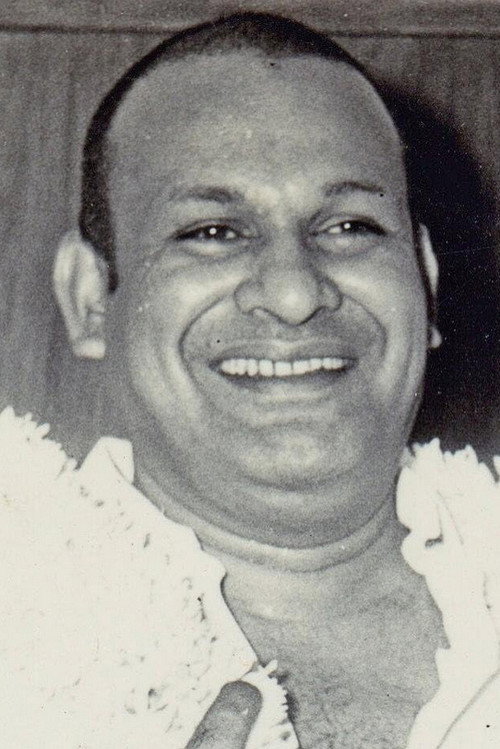
Maadha Un Kovilil Song Lyrics is the track from Achchani Tamil Film – 1978, Starring R. Muthuraman, Lakshmi, S. A. Asokan, K. A. Thangavelu, Srikanth, Suruli Rajan, Manorama, Shoba, Tambaram Lalitha. This song was sung by எஸ். ஜானகி. The music was composed by Ilayaraja. Lyrics works penned by Vaali.
Track Credits & Star Cast
Singers
Star Cast

Maadha un kovilil Mani dheepam yetrinen
Maadha un kovilil Mani dheepam yetrinen
Thaaiyendru unnai thaan Thaaiyendru unnai thaan
Pillaikku kaatinen maadha
Maadha un kovilil Mani dheepam yetrinen
Meipan illadha mandhai Vazhi maarumaeaeae
Meipan illadha mandhai Vazhi maarumaeaeae
Mary unn jothi kandaal Vidhi maarumae
Mezhugu pol uruginom Kannerai maatra vaa maadha
Maadha un kovilil Mani dheepam yetrinen
Kaaval illadha jeevan Kannerilae…ae
Kaaval illadha jeevan Kannerilae…ae
Karai kandidaadha odam Thaneerilae
Arul tharum thiruchabai maniyosai Ketkumoo maadhaaaaa
Maadha un kovilil Mani dheepam yetrinen
Pillai peradha penmai Thaaiyanadhu uuu…
Pillai peradha penmai Thaaiyanadhu uuu…
Annai illadha maganai Thalaatudhu
Kartharin kattalai naan enna Solvadhu maadha
Maadha un kovilil Mani dheepam yetrinen
Thaaiyendru unnai thaan Thaaiyendru unnai thaan
Pillaikku kaatinen maadha
Maadha un kovilil Mani dheepam yetrinen
Mmm mmm mm mmm
Song Meaning & Analysis
This devotional song is a heartfelt prayer from a woman to Mother Mary, expressing deep faith and seeking solace and guidance during a time of profound emotional distress. The singer lights a lamp in Mary's temple, symbolizing her devotion and hope. A central theme is the speaker's role as a surrogate mother; though she may not have borne a child herself, she has taken on the responsibility of caring for an orphaned child, presenting Mary as the ultimate maternal figure to this child. This act is seen as a divine command, highlighting her acceptance of this challenging yet sacred duty.
The lyrics poignantly describe feelings of vulnerability and helplessness, comparing her life to a lost flock without a shepherd and a boat adrift without a shore, drowning in tears. She implores Mother Mary to intervene, believing that Mary's divine light can alter fate and transform sorrow into hope. The song beautifully captures the essence of maternal love, faith, and the yearning for divine grace to navigate life's hardships, particularly in the context of nurturing a child who has lost its own mother. It's a plea for protection, guidance, and the alleviation of suffering, all placed at the feet of the compassionate Mother Mary.
Frequently Asked Questions
Who is the singer of Maadha Un Kovilil?
Maadha Un Kovilil is sung by எஸ். ஜானகி.
Which movie is Maadha Un Kovilil from?
The song Maadha Un Kovilil is featured in the movie Achchani.
Who wrote the lyrics for Maadha Un Kovilil?
The lyrics for Maadha Un Kovilil were written by Vaali with music composed by Ilayaraja.
Is English translation available for Maadha Un Kovilil lyrics?
Yes! Maadha Un Kovilil lyrics from Achchani include line-by-line English translation, English transliteration, and native Tamil script on Lyricsverse.
What is the meaning of Maadha Un Kovilil lyrics?
This devotional song is a heartfelt prayer from a woman to Mother Mary, expressing deep faith and seeking solace and guidance during a time of profound emotional distress. The singer lights a lamp in Mary's temple, symbolizing her devotion and hope. A central theme is the speaker's role as a surrogate mother; though she may not have borne a child herself, she has taken on the responsibility of caring for an orphaned child, presenting Mary as the ultimate maternal figure to this child. This act is seen as a divine command, highlighting her acceptance of this challenging yet sacred duty. The lyrics poignantly describe feelings of vulnerability and helplessness, comparing her life to a lost flock without a shepherd and a boat adrift without a shore, drowning in tears. She implores Mother Mary to intervene, believing that Mary's divine light can alter fate and transform sorrow into hope. The song beautifully captures the essence of maternal love, faith, and the yearning for divine grace to navigate life's hardships, particularly in the context of nurturing a child who has lost its own mother. It's a plea for protection, guidance, and the alleviation of suffering, all placed at the feet of the compassionate Mother Mary.