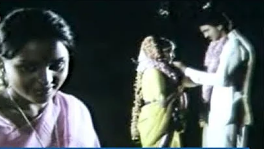
Maniyosaiyum Kai Valaiyosaiyum Lyrics
From the movie Antha Rathirikku Satchi Illai
Maniyosaiyum Kai Valaiyosaiyum Song Lyrics is the track from Antha Rathirikku Satchi Illai Tamil Film – 1982. This song was sung by எஸ். பி. பாலசுப்ரமணியம் மற்றும் எஸ். ஜானகி. The music was composed by Shankar Ganesh. Lyrics works penned by Vaali.
Track Credits & Star Cast
Music & Lyrics
Singers
Star Cast
Not Specified
Maniyosaiyum kai valaiyosaiyum
Aanatha raagam solla naan ketkkiraen
Unnai aagayam bhoomiyengum naan paarkkiraen
Maniyosaiyum kai valaiyosaiyum
Aanatha raagam solla naan ketkkiraen
Unnai aagayam bhoomiyengum naan paarkkiraen
Aaaamaniyosaiyum kai valaiyosaiyum
Aanatha raagam solla naan ketkkiraen
Unnai aagayam bhoomiyengum naan paarkkiraen
Ravi varamanai azhaiththu vara sollavo
Adi rathi devi unai ezhuthi thara sollavo
Ravi varamanai azhaiththu vara sollavo
Adi rathi devi unai ezhuthi thara sollavo
Kavi varaman neeyoruvan pothaatho
Kavi varaman nee oruvan pothaatho
En kalaivannam nee varainthaal aagaatho
Maniyosaiyum Kai valaiyosaiyum
Aanatha raagam solla naan ketkkiraen Unnai aagayam bhoomiyengum naan paarkkiraen
Brindavanam ezhunthu nadamaadumo
Shuruthi pisangaamal adhu kooda tamil paadumo
Brindavanam ezhunthu nadamaadumo
Shuruthi pisangaamal adhu kooda tamil paadumo
Silai kooda nee azhaiththaal vaaraatho
Silai kooda nee azhaiththaal vaaraatho
Adhu dhinanthorum un ninaivil paadaatho
Maniyosaiyum Haa
Kai valaiyosaiyum Haa
Aanatha raagam solla naan ketkkiraen Haaaaaaa
Unnai aagayam bhoomiyengum naan paarkkiraen Haaaaaaa
Maniyosaiyum Haa
Kai valaiyosaiyum Haa
Aanatha raagam solla naan ketkkiraen Haaaaaaa
Unnai aagayam bhoomiyengum naan paarkkiraen Haaaaaaa
Song Meaning & Analysis
This song is a romantic duet expressing profound admiration and love. The male protagonist is captivated by the woman's presence, finding joy in the simple sounds associated with her, like the temple bell and her bangles, which he perceives as singing a 'joyful melody.' He sees her beauty and essence reflected throughout nature, in the sky and on earth, indicating an all-encompassing love and devotion.
The lyrics further elevate the woman's beauty by comparing her to Rathi Devi, the goddess of love, and questioning the need for a renowned painter like Ravi Varma when her lover, a 'poet,' can capture her essence. The song uses rich imagery, suggesting that even sacred places like Brindavanam would dance and sing for her, and inanimate statues would come alive at her call, emphasizing her enchanting allure and the depth of the lover's adoration. It's a celebration of love, beauty, and the beloved's pervasive influence on the lover's world.
Frequently Asked Questions
Who is the singer of Maniyosaiyum Kai Valaiyosaiyum?
Maniyosaiyum Kai Valaiyosaiyum is sung by எஸ். பி. பாலசுப்ரமணியம் மற்றும் எஸ். ஜானகி.
Which movie is Maniyosaiyum Kai Valaiyosaiyum from?
The song Maniyosaiyum Kai Valaiyosaiyum is featured in the movie Antha Rathirikku Satchi Illai.
Who wrote the lyrics for Maniyosaiyum Kai Valaiyosaiyum?
The lyrics for Maniyosaiyum Kai Valaiyosaiyum were written by Vaali with music composed by Shankar Ganesh.
Is English translation available for Maniyosaiyum Kai Valaiyosaiyum lyrics?
Yes! Maniyosaiyum Kai Valaiyosaiyum lyrics from Antha Rathirikku Satchi Illai include line-by-line English translation, English transliteration, and native Tamil script on Lyricsverse.
What is the meaning of Maniyosaiyum Kai Valaiyosaiyum lyrics?
This song is a romantic duet expressing profound admiration and love. The male protagonist is captivated by the woman's presence, finding joy in the simple sounds associated with her, like the temple bell and her bangles, which he perceives as singing a 'joyful melody.' He sees her beauty and essence reflected throughout nature, in the sky and on earth, indicating an all-encompassing love and devotion. The lyrics further elevate the woman's beauty by comparing her to Rathi Devi, the goddess of love, and questioning the need for a renowned painter like Ravi Varma when her lover, a 'poet,' can capture her essence. The song uses rich imagery, suggesting that even sacred places like Brindavanam would dance and sing for her, and inanimate statues would come alive at her call, emphasizing her enchanting allure and the depth of the lover's adoration. It's a celebration of love, beauty, and the beloved's pervasive influence on the lover's world.