
Naalu Kaalu Sir Lyrics
From the movie Sorgam
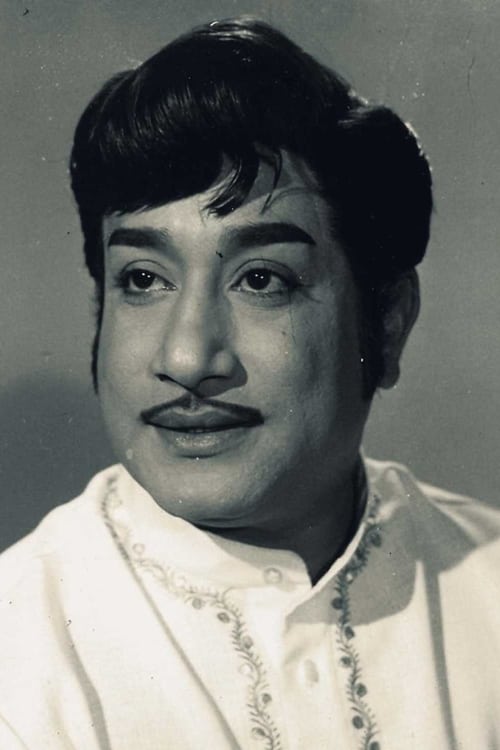
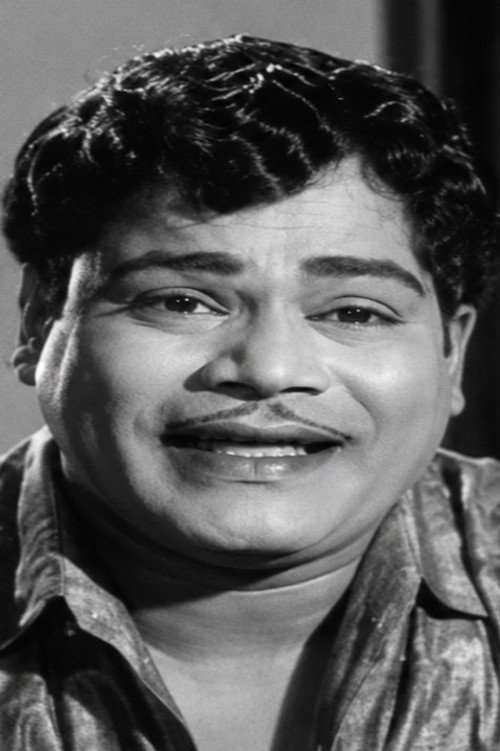
Naalu Kaalu Sir Song Lyrics is the track from Sorgam Tamil Film – 1970, Starring Sivaji Ganesan, K R Vijaya, M. R. R. Vasu, Rajasree, K. Balaji, R. Muthuraman, R. S. Manohar, Nagesh, Sachu, Kanakadurga. This song was sung by ஏ. எல். ராகவன், எஸ். வி. பொன்னுசாமி. The music was composed by M. S. Vishwanathan. Lyrics works penned by Kannadasan.
Track Credits & Star Cast
Music & Lyrics
Singers
Star Cast

Naalu kaalu sir naduvilae Oru vaalu sir
Aadhi manushan jaadhi thaanae sir Varusham pogudhu ulagam maarudhu
Kurangu maaravillai sir
All : Naalu kaalu sir naduvilae Oru vaalu sir
Aadhi manushan jaadhi thaanae sir Varusham pogudhu ulagam maarudhu
Kurangu maaravillai sir
All : Maathru boodham Nee maara vendum
Maathru boodham maara vendum
Un nalla kangal theemai kaana vendaam
Un nalla naakku poiyai pesa vendaam
Un nalla kaadhu naasamaaga vendaam
Mathavan veedu sathiram alla Makkalai paathu un buthiyai maathu
Makkalai paathu un buthiyai maathu
All : Maathru boodham Nee maara vendum
Maathru boodham maara vendum
All : Naalu kaalu sir naduvilae Oru vaalu sir
Aadhi manushan jaadhi thaanae sir Varusham pogudhu ulagam maarudhu
Kurangu maaravillai sir
Naam unda soru jeeranikka vendum
Naam neenda kaalam mannil vaazha vendum
Nee seidha paavam emmai saera vendaam
Kottiya laabam kooda varaadhu Kattiya paavam aalai vidaadhu
Kattiya paavam aalai vidaadhu
Pattinathu saami sonna nyaanam Un pathirathil padhivu seiya venum
Nee kettadharkku vatti poda venum Uthamarendraal sorgam irukku
Unnai arindhaal pakkam irukku Unnai arindhaal pakkam irukku
{Maathru boodham Aa…aa…aaaaa…
Nee maara vendum Aa…aa…aaaaa} (4)
Song Meaning & Analysis
This song is a profound social commentary, using the metaphor of a 'four-legged, one-tailed' creature (a monkey) to critique human behavior. It suggests that despite the passage of time and the world's advancements, some people retain primitive, selfish, and harmful tendencies. The lyrics urge individuals to transform their inner selves, advocating for moral conduct: to avoid seeing evil, speaking lies, or listening to destructive things. It emphasizes respecting others' boundaries and learning from good examples to change one's negative ways.
The song further delves into philosophical advice, reminding listeners that material gains are fleeting and cannot accompany one beyond life, while accumulated sins will inevitably follow. It references the wisdom of ancient saints like Pattinathar, encouraging self-reflection, atonement for misdeeds, and the pursuit of virtue. The core message is a call for self-awareness and moral evolution, promising that true peace and 'heaven' are attainable through understanding oneself and living righteously, rather than clinging to primitive instincts.
Frequently Asked Questions
Who is the singer of Naalu Kaalu Sir?
Naalu Kaalu Sir is sung by ஏ. எல். ராகவன், எஸ். வி. பொன்னுசாமி.
Which movie is Naalu Kaalu Sir from?
The song Naalu Kaalu Sir is featured in the movie Sorgam.
Who wrote the lyrics for Naalu Kaalu Sir?
The lyrics for Naalu Kaalu Sir were written by Kannadasan with music composed by M. S. Vishwanathan.
Is English translation available for Naalu Kaalu Sir lyrics?
Yes! Naalu Kaalu Sir lyrics from Sorgam include line-by-line English translation, English transliteration, and native Tamil script on Lyricsverse.
What is the meaning of Naalu Kaalu Sir lyrics?
This song is a profound social commentary, using the metaphor of a 'four-legged, one-tailed' creature (a monkey) to critique human behavior. It suggests that despite the passage of time and the world's advancements, some people retain primitive, selfish, and harmful tendencies. The lyrics urge individuals to transform their inner selves, advocating for moral conduct: to avoid seeing evil, speaking lies, or listening to destructive things. It emphasizes respecting others' boundaries and learning from good examples to change one's negative ways. The song further delves into philosophical advice, reminding listeners that material gains are fleeting and cannot accompany one beyond life, while accumulated sins will inevitably follow. It references the wisdom of ancient saints like Pattinathar, encouraging self-reflection, atonement for misdeeds, and the pursuit of virtue. The core message is a call for self-awareness and moral evolution, promising that true peace and 'heaven' are attainable through understanding oneself and living righteously, rather than clinging to primitive instincts.