
Sippiyile Muthu Lyrics
From the movie Anbai Thedi
Sippiyile Muthu Song Lyrics is the track from Anbai Thedi Tamil Film – 1973, Starring Sivaji Ganesan, J. Jayalalithaa. This song was sung by வாணி ஜெயராம். The music was composed by M. S. Viswanathan. Lyrics works penned by Kannadasan.
Track Credits & Star Cast
Music & Lyrics
Singers
Star Cast
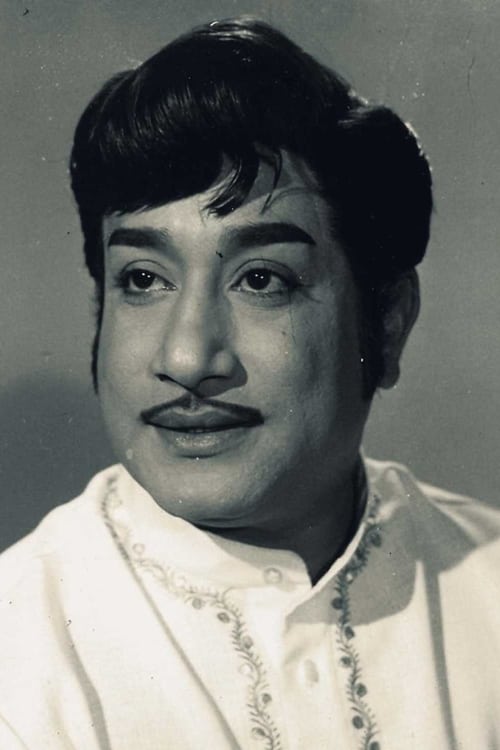

Sippiyilae muththu Adhu sippikkenna sontham
Sippiyilae muththu Adhu sippikkenna sontham
Thennaiyilae ilaneer Adhu thennaikkenna sontham
Thennaiyilae ilaneer Adhu thennaikkenna sontham
Oongi varum mullai Adhu oru kodiyin pillai
Oongi varum mullai Adhu oru kodiyin pillai
Eduththu kondu ponaal Adhu kodikku sonthamillai
Eduththu kondu ponaal Adhu kodikku sonthamillai
Sippiyilae muththu Adhu sippikkenna sontham
Thennaiyilae ilaneer Adhu thennaikkenna sontham
Janagan magan illaiyadi vedhavathi seedhai
Vedan magan illaiyadi valli ennum kodhai
Janagan magan illaiyadi vedhavathi seedhai
Vedan magan illaiyadi valli ennum kodhai
Iruvarumae pona kadhai irandu vazhippaadhai
Iruvarumae pona kadhai irandu vazhippaadhai
Ezhuthiyavan ezhuthivittaan enakku enna vaadhai
Sippiyilae muththu Adhu sippikkenna sontham
Thennaiyilae ilaneer Adhu thennaikkenna sontham
Karnan enum vallalukkum Annai sonthamillai
Kannan enum dheivamkooda Irandu veettu pillai
Karnan enum vallalukkum Annai sonthamillai
Kannan enum dheivamkooda Irandu veettu pillai
Annaiyenna annai Idhil thanthaiyenna thanthai
Annaiyenna annai Idhil thanthaiyenna thanthai
Aanaiyidum thalaivanukku Eedu inaiyillai
Sippiyilae muththu Adhu sippikkenna sontham
Thennaiyilae ilaneer Adhu thennaikkenna sontham
Oongi varum mullai Adhu oru kodiyin pillai
Eduththu kondu ponaal Adhu kodikku sonthamillai
Adhu kodikku sonthamillai
Song Meaning & Analysis
The song "Sippiyile Muthu" delves into profound philosophical questions about ownership, belonging, and destiny, using vivid metaphors from nature and mythology. It opens by questioning the true ownership of a pearl by an oyster or a tender coconut by a palm tree, suggesting that the origin or immediate container does not necessarily equate to ultimate possession. This sets the stage for a deeper exploration of how individuals, despite their apparent origins, are often shaped by forces beyond their immediate family or environment.
The lyrics further illustrate this theme by referencing mythological figures like Seetha, Valli, Karna, and Krishna, all of whom had complex parentage or were raised by foster parents. These examples highlight that biological ties do not always define one's ultimate path or identity. The song concludes by emphasizing that a higher power or destiny, referred to as "the leader who commands," ultimately dictates one's journey, rendering conventional notions of parental ownership secondary. It's a reflective piece that encourages contemplation on the transient nature of relationships and the overarching influence of fate.
Frequently Asked Questions
Who is the singer of Sippiyile Muthu?
Sippiyile Muthu is sung by வாணி ஜெயராம்.
Which movie is Sippiyile Muthu from?
The song Sippiyile Muthu is featured in the movie Anbai Thedi.
Who wrote the lyrics for Sippiyile Muthu?
The lyrics for Sippiyile Muthu were written by Kannadasan with music composed by M. S. Viswanathan.
Is English translation available for Sippiyile Muthu lyrics?
Yes! Sippiyile Muthu lyrics from Anbai Thedi include line-by-line English translation, English transliteration, and native Tamil script on Lyricsverse.
What is the meaning of Sippiyile Muthu lyrics?
The song "Sippiyile Muthu" delves into profound philosophical questions about ownership, belonging, and destiny, using vivid metaphors from nature and mythology. It opens by questioning the true ownership of a pearl by an oyster or a tender coconut by a palm tree, suggesting that the origin or immediate container does not necessarily equate to ultimate possession. This sets the stage for a deeper exploration of how individuals, despite their apparent origins, are often shaped by forces beyond their immediate family or environment. The lyrics further illustrate this theme by referencing mythological figures like Seetha, Valli, Karna, and Krishna, all of whom had complex parentage or were raised by foster parents. These examples highlight that biological ties do not always define one's ultimate path or identity. The song concludes by emphasizing that a higher power or destiny, referred to as "the leader who commands," ultimately dictates one's journey, rendering conventional notions of parental ownership secondary. It's a reflective piece that encourages contemplation on the transient nature of relationships and the overarching influence of fate.


