Theertha Karaithanile (Happy) Lyrics
From the movie Thai Pongal
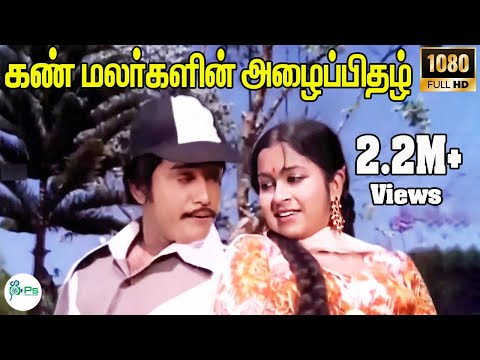
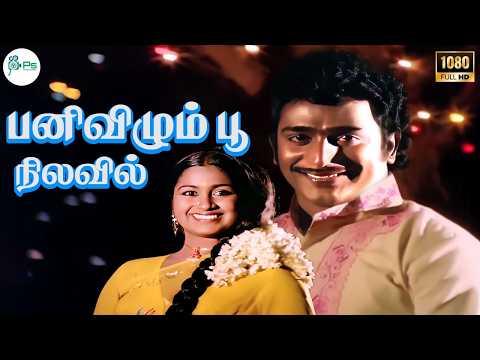
Theertha Karaithanile (Happy) Song Lyrics is the track from Thai Pongal Tamil Film – 1980, Starring Radhika Sarathkumar, Vijayan, Rajesh, Sudhakar, Saritha, Sujatha Rangarajan. This song was sung by ஜென்சி. The music was composed by Ilayaraja. Lyrics works penned by M. G. Vallaban.
Track Credits & Star Cast
Music & Lyrics
Singers
Star Cast


Theerththa karaithanilae senbaga pushbangalae Theerththa karaithanilae senbaga pushbangalae
Thaai maman thol meedhu Saainthaadum naal paarththu
Paadungal jeeva gaanangal
Theerththa karaithanilae senbaga pushbangalae
Naana mega vaanilae naanum neeyum koodiyae Moga raagam paadiyae podum soga naadagam
Kaaviri oramaai kovalan kadhali Poovizhi maadhavi kadhalil paadiya
Kaanal vari sugam thedidum Nenjangalaekonjavaa
Theerththa karaithanilae senbaga pushbangalae
Somavaara nonbugal kaamadeva jaalangal Paadhi jaama poojaigal kaana kodi aasaigal
Kaaviri oramaai kovalan kadhali Poovizhi maadhavi kadhalil paadiya
Kaanal vari sugam thedidum Nenjangalaekonjavaa
Theerththa karaithanilae senbaga pushbangalae Thaai maman thol meedhu
Saainthaadum naal paarththu Paadungal jeeva gaanangal
Theerththa karaithanilae senbaga pushbangalae
Song Meaning & Analysis
This song, 'Theertha Karaithanile', from the 1980 film 'Thai Pongal', beautifully encapsulates themes of romantic longing, anticipation, and traditional love. The imagery of Champak blossoms by sacred waters sets a serene and pure backdrop for the protagonist's yearning. The repeated desire to lean on the maternal uncle's shoulder, while singing "songs of life," hints at a cherished, perhaps destined, relationship or marriage, deeply rooted in cultural customs and familial bonds. It evokes a sense of hopeful waiting for a significant life event.
The lyrics further weave in classical Tamil literary references, notably to Kovalan and Madhavi from the epic Silappathikaram, and their 'Kaanal Vari' song by the Kaveri river. This adds a layer of timeless, passionate, and sometimes melancholic love to the narrative. The mention of 'Somavaara nonbugal' (Monday fasts) and 'Kamadeva jaalangal' (Kamadeva's magic) underscores the traditional rituals and the powerful, almost divine, nature of desire and love, culminating in a multitude of aspirations. The song is a poetic expression of deep affection, cultural heritage, and the yearning for a love that is both personal and historically resonant.
Frequently Asked Questions
Who is the singer of Theertha Karaithanile (Happy)?
Theertha Karaithanile (Happy) is sung by ஜென்சி.
Which movie is Theertha Karaithanile (Happy) from?
The song Theertha Karaithanile (Happy) is featured in the movie Thai Pongal.
Who wrote the lyrics for Theertha Karaithanile (Happy)?
The lyrics for Theertha Karaithanile (Happy) were written by M. G. Vallaban with music composed by Ilayaraja.
Is English translation available for Theertha Karaithanile (Happy) lyrics?
Yes! Theertha Karaithanile (Happy) lyrics from Thai Pongal include line-by-line English translation, English transliteration, and native Tamil script on Lyricsverse.
What is the meaning of Theertha Karaithanile (Happy) lyrics?
This song, 'Theertha Karaithanile', from the 1980 film 'Thai Pongal', beautifully encapsulates themes of romantic longing, anticipation, and traditional love. The imagery of Champak blossoms by sacred waters sets a serene and pure backdrop for the protagonist's yearning. The repeated desire to lean on the maternal uncle's shoulder, while singing "songs of life," hints at a cherished, perhaps destined, relationship or marriage, deeply rooted in cultural customs and familial bonds. It evokes a sense of hopeful waiting for a significant life event. The lyrics further weave in classical Tamil literary references, notably to Kovalan and Madhavi from the epic Silappathikaram, and their 'Kaanal Vari' song by the Kaveri river. This adds a layer of timeless, passionate, and sometimes melancholic love to the narrative. The mention of 'Somavaara nonbugal' (Monday fasts) and 'Kamadeva jaalangal' (Kamadeva's magic) underscores the traditional rituals and the powerful, almost divine, nature of desire and love, culminating in a multitude of aspirations. The song is a poetic expression of deep affection, cultural heritage, and the yearning for a love that is both personal and historically resonant.