Theertha Karaithanile (Sad) Lyrics
From the movie Thai Pongal
Theertha Karaithanile (Sad) Song Lyrics is the track from Thai Pongal Tamil Film – 1980, Starring Radhika Sarathkumar, Vijayan, Rajesh, Sudhakar, Saritha, Sujatha Rangarajan. This song was sung by கே. ஜே. யேசுதாஸ். The music was composed by Ilayaraja. Lyrics works penned by M. G. Vallaban.
Track Credits & Star Cast
Music & Lyrics
Singers
Star Cast


Theerththa karaithanilae senbaga pushbangalae Theerththa karaithanilae senbaga pushbangalae
Naan podum thaalangal Vizhi neerin kolangal
Paadungal jeeva raagangal
Theerththa karaithanilae senbaga pushbangalae
Naana mega vaanilae naanum neeyum koodiyae Moga raagam paadiyae podum soga naadagam
Kaaviri oramaai kovalan kadhali Poovizhi maadhavi kadhalil paadiya
Kaanal vari sugam thedidum Nenjangalaekonjavaa
Theerththa karaithanilae senbaga pushbangalae
Ramanaama nonbugal kaamadeva jaalangal Paadhi jaama poojaigal kaana kodi aasaigal
Kaaviri oramaai kovalan kadhali Poovizhi maadhavi kadhalil paadiya
Kaanal vari sugam thedidum Nenjangalaekonjavaa
Theerththa karaithanilae senbaga pushbangalae Thaai maman thol meedhu
Saainthaadum naal paarththu Paadungal jeeva gaanangal
Theerththa karaithanilae senbaga pushbangalae
Song Meaning & Analysis
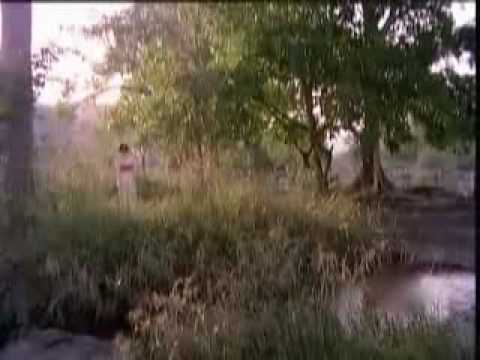
The song "Theertha Karaithanile (Sad)" from 'Thai Pongal' (1980) is a poignant lament, set against the backdrop of sacred riverbanks adorned with Champak flowers. The lyrics evoke a deep sense of sorrow and longing, where the singer's "rhythms" are born from "patterns of tears." It speaks of a love story that unfolds like a "sad drama" under a "shy, cloudy sky," hinting at unfulfilled desires or separation. The reference to Kovalan and Madhavi from the epic Silappathikaram, who sang "Kaanal Vari" on the Kaveri banks, adds a layer of tragic romance and historical depth, suggesting a love that is both passionate and ultimately sorrowful.
The second verse further explores themes of devotion and desire, mentioning "vows in Rama's name" and the "charms of Kamadeva," juxtaposing spiritual longing with earthly passion. "Midnight prayers" and "a million desires" underscore the intensity of the speaker's yearning. The repeated imagery of the Champak flowers on the sacred riverbank serves as a constant, beautiful yet melancholic witness to this profound emotional journey, emphasizing the enduring nature of love, loss, and memory. The song beautifully captures the essence of a heartbroken soul finding solace and expression in nature and ancient tales of love.
Frequently Asked Questions
Who is the singer of Theertha Karaithanile (Sad)?
Theertha Karaithanile (Sad) is sung by கே. ஜே. யேசுதாஸ்.
Which movie is Theertha Karaithanile (Sad) from?
The song Theertha Karaithanile (Sad) is featured in the movie Thai Pongal.
Who wrote the lyrics for Theertha Karaithanile (Sad)?
The lyrics for Theertha Karaithanile (Sad) were written by M. G. Vallaban with music composed by Ilayaraja.
Is English translation available for Theertha Karaithanile (Sad) lyrics?
Yes! Theertha Karaithanile (Sad) lyrics from Thai Pongal include line-by-line English translation, English transliteration, and native Tamil script on Lyricsverse.
What is the meaning of Theertha Karaithanile (Sad) lyrics?
The song "Theertha Karaithanile (Sad)" from 'Thai Pongal' (1980) is a poignant lament, set against the backdrop of sacred riverbanks adorned with Champak flowers. The lyrics evoke a deep sense of sorrow and longing, where the singer's "rhythms" are born from "patterns of tears." It speaks of a love story that unfolds like a "sad drama" under a "shy, cloudy sky," hinting at unfulfilled desires or separation. The reference to Kovalan and Madhavi from the epic Silappathikaram, who sang "Kaanal Vari" on the Kaveri banks, adds a layer of tragic romance and historical depth, suggesting a love that is both passionate and ultimately sorrowful. The second verse further explores themes of devotion and desire, mentioning "vows in Rama's name" and the "charms of Kamadeva," juxtaposing spiritual longing with earthly passion. "Midnight prayers" and "a million desires" underscore the intensity of the speaker's yearning. The repeated imagery of the Champak flowers on the sacred riverbank serves as a constant, beautiful yet melancholic witness to this profound emotional journey, emphasizing the enduring nature of love, loss, and memory. The song beautifully captures the essence of a heartbroken soul finding solace and expression in nature and ancient tales of love.
Music Video