Vaazhum Samuthayame Lyrics
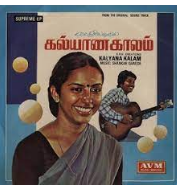
From the movie Kalyana Kalam
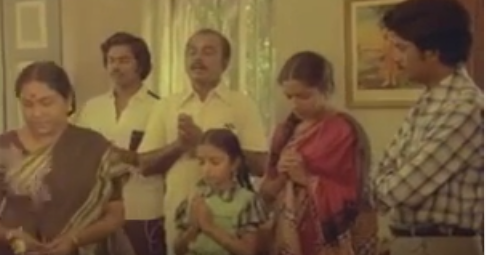
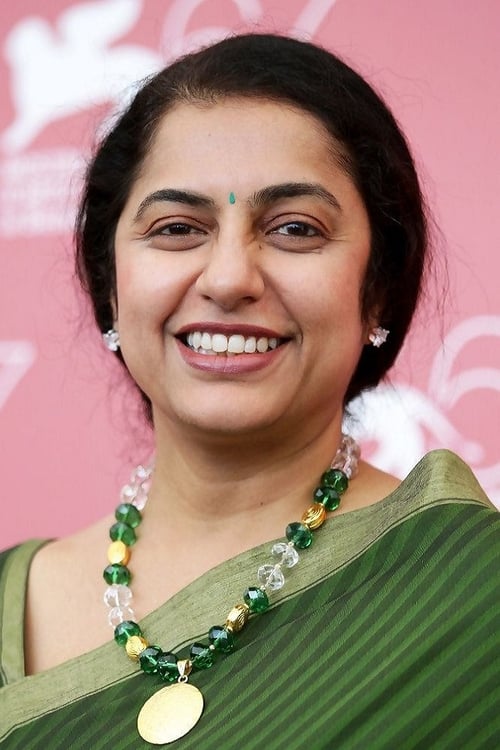
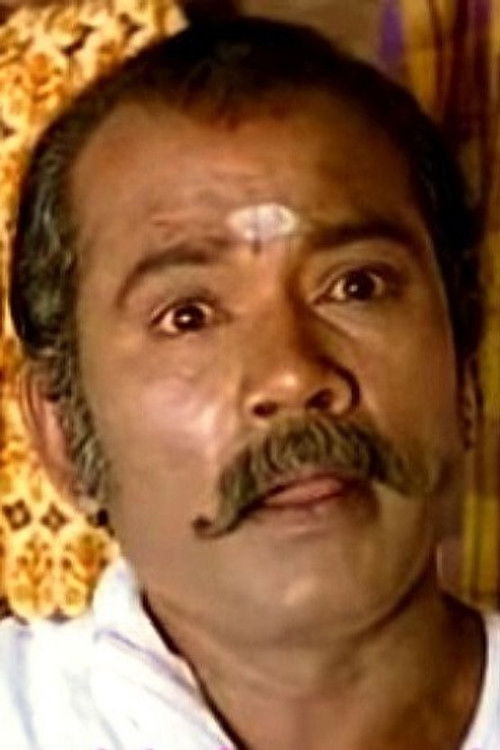
Vaazhum Samuthayame Song Lyrics is the track from Kalyana Kalam Tamil Film – 1982, Starring Suhasini Maniratnam, P. S. Venkatachalam, K.K. Soundar, S. N. Parvathi, Janagaraj, Thiyagu. This song was sung by எஸ். பி. பாலசுப்ரமணியம். The music was composed by Shankar Ganesh. Lyrics works penned by Vairamuthu.
Track Credits & Star Cast
Music & Lyrics
Singers
Star Cast
Vaazhum samuthaayamae kalyaanam Naalum sumaiyaanathae
Vaazhum samuthaayamae kalyaanam Naalum sumaiyaanathae
Appan itta veli adhu oththu varaathu Thappu endra pothum adhai vittu varaathu
Irulae udaiyaanathu
Vaazhum samuthaayamae kalyaanam Naalum sumaiyaanathae
Manamagalo uruvaagiraal Maappillaiyai mudhaliravilthaan paarkkiraal
Manamagalo uruvaagiraal Maappillaiyai mudhaliravilthaan paarkkiraal
Kalyaana kosham santhosha vesham Kanneeril vaasam poomaalai veesum
Irunthum dhesam panjaangam pesum
Vaazhum samuthaayamae kalyaanam Naalum sumaiyaanathae
Appan itta veli adhu oththu varaathu Thappu endra pothum adhai vittu varaathu
Irulae udaiyaanathu
Vaazhum samuthaayamae kalyaanam Naalum sumaiyaanathae
Ramarukku tholillaiyo Varathatchanai vil murikka aalillaiyo
Ramarukku tholillaiyo Varathatchanai vil murikka aalillaiyo
Aalaanathingae thappaagi pochchu Seedhaikkellaam koondhal naraiyaachchu
Veenai kooda viralaagi pochu
Vaazhum samuthaayamae kalyaanam Naalum sumaiyaanathae
Thanthai thantha simmaasanam Nondugira raasigalae en vaaganam
Thanthai thantha simmaasanam Nondugira raasigalae en vaaganam
Vizhi moodi kondae vilaiyaada vanthaen
Unmaikku naanae thirai pottu kondaen
Udhadum manasum pagaiyaaga kandaen
Vaazhum samuthaayamae kalyaanam Naalum sumaiyaanathae
Appan itta veli adhu oththu varaathu Thappu endra pothum adhai vittu varaathu
Irulae udaiyaanathu
Song Meaning & Analysis
This song from 'Kalyana Kalam' (1982) is a poignant social commentary on the institution of marriage in India, particularly highlighting the plight of women. Penned by Vairamuthu, it critiques the traditional arranged marriage system where a bride often meets her groom only on the wedding night, and is bound by societal expectations and parental choices ("the fence built by the father"). The lyrics express the burden marriage becomes, turning joy into sorrow, symbolized by "tears reside where flower garlands are thrown." It questions the superficiality of wedding celebrations that mask underlying unhappiness and societal pressures.
The song further delves into the oppressive issue of dowry, lamenting the absence of a "Rama" to break the "dowry's bow," implying a lack of heroes to fight this social evil. It paints a grim picture of women (Sitas) whose youth and spirit are withered by these circumstances, where even their artistic talents (Veena) are reduced to worthlessness. The protagonist feels trapped by a destiny not of their own choosing, forced to live a life where their true feelings are suppressed, leading to a conflict between their outward expression and inner turmoil. It's a powerful lament against patriarchal norms and the loss of individual agency within the confines of traditional marriage.
Frequently Asked Questions
Who is the singer of Vaazhum Samuthayame?
Vaazhum Samuthayame is sung by எஸ். பி. பாலசுப்ரமணியம்.
Which movie is Vaazhum Samuthayame from?
The song Vaazhum Samuthayame is featured in the movie Kalyana Kalam.
Who wrote the lyrics for Vaazhum Samuthayame?
The lyrics for Vaazhum Samuthayame were written by Vairamuthu with music composed by Shankar Ganesh.
Is English translation available for Vaazhum Samuthayame lyrics?
Yes! Vaazhum Samuthayame lyrics from Kalyana Kalam include line-by-line English translation, English transliteration, and native Tamil script on Lyricsverse.
What is the meaning of Vaazhum Samuthayame lyrics?
This song from 'Kalyana Kalam' (1982) is a poignant social commentary on the institution of marriage in India, particularly highlighting the plight of women. Penned by Vairamuthu, it critiques the traditional arranged marriage system where a bride often meets her groom only on the wedding night, and is bound by societal expectations and parental choices ("the fence built by the father"). The lyrics express the burden marriage becomes, turning joy into sorrow, symbolized by "tears reside where flower garlands are thrown." It questions the superficiality of wedding celebrations that mask underlying unhappiness and societal pressures. The song further delves into the oppressive issue of dowry, lamenting the absence of a "Rama" to break the "dowry's bow," implying a lack of heroes to fight this social evil. It paints a grim picture of women (Sitas) whose youth and spirit are withered by these circumstances, where even their artistic talents (Veena) are reduced to worthlessness. The protagonist feels trapped by a destiny not of their own choosing, forced to live a life where their true feelings are suppressed, leading to a conflict between their outward expression and inner turmoil. It's a powerful lament against patriarchal norms and the loss of individual agency within the confines of traditional marriage.